
Understanding the Modern Housing Mindset
Shift in Financial Priorities
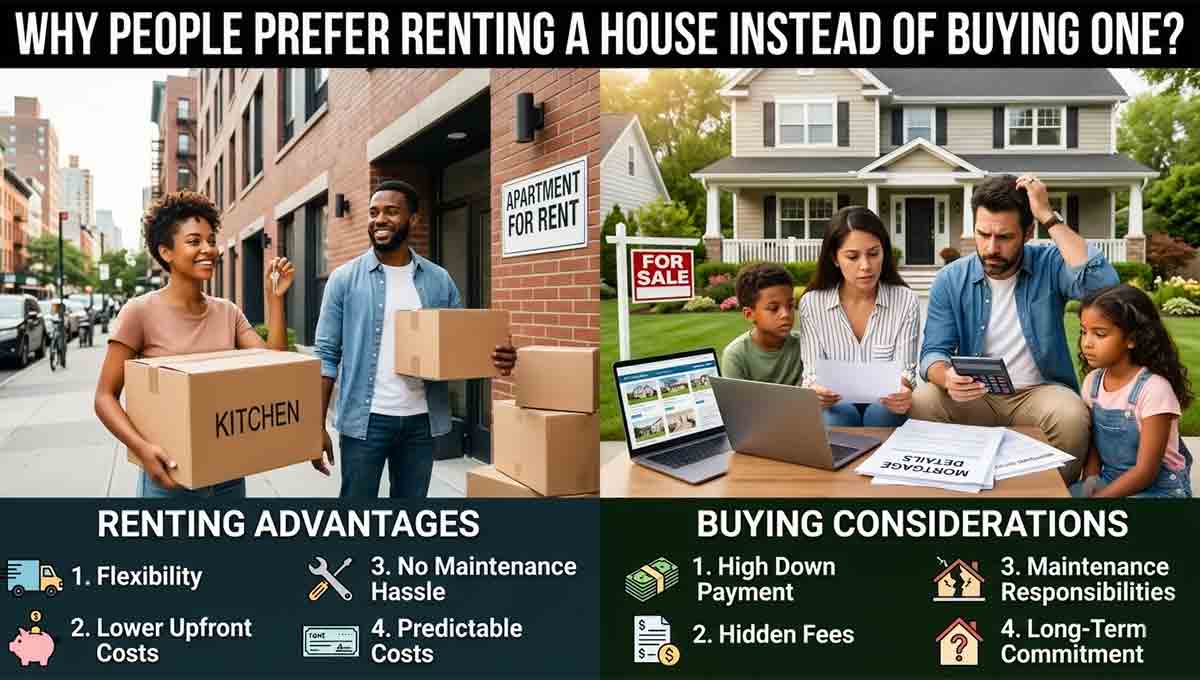
In today’s evolving economic landscape, we are witnessing a significant transformation in how individuals approach housing decisions. A more practical and flexible mindset is gradually replacing the traditional belief that owning a home is the ultimate financial milestone. We now prioritize liquidity, financial freedom, and smart allocation of resources over long-term commitments that may limit our ability to adapt to changing circumstances. Renting a house allows us to maintain control over our finances without locking a substantial portion of our savings into a single asset.
We also recognize that opportunity cost plays a critical role in decision-making. The money required for a down payment on a home could instead be invested in business ventures, stocks, or other income-generating opportunities. This shift reflects a broader understanding of wealth creation, where flexibility and diversification often outweigh the perceived stability of property ownership. Additionally, with rising property prices in urban areas, renting becomes a more accessible and rational option for individuals who prefer to allocate their capital wisely rather than stretching their finances thin.
Another important factor is the growing awareness of the hidden costs of buying a home. Property taxes, maintenance, insurance, and unexpected repairs can quickly accumulate, making ownership far more expensive than initially anticipated. Renting eliminates these uncertainties, allowing us to plan our finances with greater accuracy and confidence. This modern approach emphasizes efficiency, adaptability, and financial intelligence, making renting an increasingly attractive choice for many.
Lifestyle Flexibility and Freedom
One of the most compelling reasons we prefer renting over buying is the unmatched level of flexibility it offers. In a world where change is constant, the ability to relocate without significant financial or emotional burden is invaluable. Renting allows us to adapt to new opportunities, whether they involve career advancements, educational pursuits, or lifestyle changes, without being tied down to a fixed location.
We often find that freedom of movement enhances both personal and professional growth. For instance, if a better job opportunity arises in another city, renters can transition smoothly by simply ending their lease agreement. Homeowners, on the other hand, must navigate the complexities of selling a property, which can be time-consuming and financially draining. This flexibility is particularly beneficial for younger professionals, digital nomads, and families exploring different environments before settling permanently.
Additionally, renting provides the freedom to experiment with different living styles and neighborhoods. We can experience urban living, suburban comfort, or even coastal lifestyles without committing to a long-term investment. This dynamic approach to housing aligns perfectly with modern values, where experiences often take precedence over ownership. By choosing to rent, we retain control over our living situation and can continuously align it with our evolving needs and aspirations.
Financial Advantages of Renting
Lower Upfront Costs
One of the most immediate benefits of renting a house is the significantly lower upfront financial requirement compared to buying. When purchasing a property, we are typically required to make a substantial down payment, often ranging from 10% to 30% of the property’s value. This can represent years of savings and may even require taking on additional financial burdens. Renting, however, usually involves only a security deposit and the first month’s rent, making it far more accessible.
This lower entry barrier allows us to preserve our savings for other important financial goals. Instead of tying up capital in a single asset, we can allocate funds toward investments, education, or emergency reserves. This approach provides a stronger financial cushion and reduces stress associated with large financial commitments. It also enables individuals with limited savings to secure comfortable housing without compromising their financial stability.
Moreover, the reduced upfront cost makes renting an ideal option for those who are just starting their careers or undergoing transitions in life. It allows us to maintain flexibility while building our financial foundation. Rather than rushing into homeownership prematurely, we can take the time to evaluate our long-term goals and make more informed decisions in the future.
No Property Maintenance Expenses
Another significant advantage of renting is the absence of maintenance and repair costs. As tenants, we are generally not responsible for fixing structural issues, plumbing problems, or electrical faults. These responsibilities fall on the property owner, saving us both time and money. This arrangement allows us to enjoy a hassle-free living experience without worrying about unexpected expenses.
Homeownership, on the other hand, comes with ongoing maintenance responsibilities that can quickly become overwhelming. From routine upkeep to major repairs, the costs can add up significantly over time. By choosing to rent, we eliminate these financial uncertainties and can focus on managing our budget more effectively. This predictability is especially valuable in today’s uncertain economic environment.
Additionally, the convenience of having a landlord handle maintenance issues enhances our overall quality of life. We can simply report a problem and have it resolved without the need to source contractors or negotiate repair costs. This level of support makes renting an attractive option for those who prefer a stress-free living arrangement.
Predictable Monthly Budgeting
One of the most overlooked yet highly valuable benefits of renting a house is the ability to maintain predictable and stable monthly expenses. When we rent, we typically agree on a fixed monthly payment outlined in the lease agreement, which remains consistent for the duration of that contract. This consistency allows us to plan our finances with confidence, knowing exactly how much we need to allocate for housing each month without worrying about sudden spikes in costs.
In contrast, homeownership often introduces financial unpredictability. Mortgage rates can fluctuate, property taxes may increase, and maintenance costs can arise unexpectedly. These variables make it challenging to maintain a steady budget. Renting eliminates these uncertainties, providing a level of financial clarity that is especially beneficial for individuals managing tight budgets or working toward specific financial goals.
We also benefit from simplified expense management when renting. Many rental agreements include additional services such as maintenance, waste management, or even utilities, reducing the number of bills we need to handle separately. This streamlined approach not only saves time but also minimizes the risk of missed payments or financial mismanagement. As a result, renting becomes a practical choice for those who value financial organization and peace of mind.
Flexibility and Mobility Benefits
Easy Relocation Opportunities
Renting offers unparalleled ease when it comes to relocating. In a rapidly changing world, the ability to move quickly and efficiently is a major advantage. Whether we need to relocate for work, education, or personal reasons, renting allows us to do so with minimal complications. Once the lease term is completed—or in some cases with proper notice—we can transition to a new location without the burden of selling a property.
This flexibility is particularly valuable in competitive job markets where opportunities may arise in different cities or regions. We can respond to new opportunities without being anchored to a single location, making renting an ideal choice for ambitious professionals. The ease of relocation also supports lifestyle changes, such as moving closer to family or exploring new environments.
Additionally, renting reduces the logistical and financial challenges associated with moving. Homeowners often face delays in selling their property, along with additional costs such as agent fees and closing expenses. Renters, on the other hand, can plan their moves more efficiently, ensuring a smoother transition. This level of mobility empowers us to adapt quickly and confidently to life’s changes.
Ideal for Career Growth
Career advancement often requires flexibility, and renting aligns perfectly with this need. In many industries, professionals are expected to relocate or travel frequently to seize new opportunities. Renting allows us to remain agile, enabling us to pursue career growth without being hindered by long-term housing commitments.
We recognize that career mobility is a key factor in achieving long-term success. By choosing to rent, we can accept promotions, explore new roles, or even switch industries without worrying about the complexities of managing a property. This freedom enhances our ability to make strategic decisions that benefit our professional development.
Moreover, renting can provide access to housing in areas with strong job markets. Instead of being limited by affordability constraints associated with buying property, we can rent in locations that offer better career prospects. This strategic advantage allows us to position ourselves in environments that support growth, networking, and innovation.
Reduced Financial Risk
Protection from Market Fluctuations
The real estate market is inherently unpredictable, with property values subject to fluctuations based on economic conditions, interest rates, and regional demand. When we choose to rent, we effectively shield ourselves from the risks associated with these market changes. We are not directly impacted by declining property values or market downturns, which can significantly affect homeowners.
This protection is particularly important during periods of economic uncertainty. Homeowners may find themselves in situations where their property’s value drops below the purchase price, leading to financial strain. Renters, however, can simply choose not to renew their lease and move to a more affordable option if necessary. This flexibility provides a safety net that enhances financial security.
Additionally, renting allows us to avoid the stress of timing the market. Buying a home often involves making decisions based on market conditions, which can be difficult to predict accurately. By renting, we eliminate this pressure and can focus on maintaining financial stability without being influenced by external market factors.
No Long-Term Debt Commitment
One of the most significant advantages of renting is the absence of long-term debt. Purchasing a home typically involves taking on a mortgage that can span 15 to 30 years, representing a substantial financial obligation. This long-term commitment can limit our financial flexibility and restrict our ability to pursue other opportunities.
Renting, on the other hand, allows us to live comfortably without incurring long-term liabilities. We are not tied to a decades-long financial commitment, giving us the freedom to adjust our lifestyle as needed. This flexibility is especially beneficial for individuals who prefer to avoid debt or prioritize financial independence.
Furthermore, the absence of a mortgage reduces financial stress and enhances overall well-being. We can focus on building savings, investing, or achieving personal goals without the burden of a large, ongoing debt. This approach aligns with modern financial strategies that emphasize flexibility and risk management.
Access to Better Living Options
Prime Locations at Affordable Rates
Renting provides access to desirable locations that might otherwise be unaffordable if we were to purchase property. Urban centers, waterfront areas, and neighborhoods with high demand often come with steep property prices. Renting allows us to enjoy these premium locations at a fraction of the cost, making it possible to live in areas that offer convenience, connectivity, and vibrant lifestyles.
This advantage is particularly appealing for individuals who value proximity to work, entertainment, and essential services. Living in a prime location can significantly enhance our quality of life, reducing commute times and providing access to a wide range of amenities. Renting makes this lifestyle attainable without the need for a substantial financial investment.
Additionally, renting enables us to experience different neighborhoods before making long-term decisions. We can explore various areas, assess their suitability, and determine what best aligns with our preferences. This flexibility ensures that we make informed choices about where we live.
Access to Amenities Without Ownership Costs
Modern rental properties often come equipped with a wide range of amenities, such as fitness centers, swimming pools, security services, and shared recreational spaces. As renters, we can enjoy these without bearing the full cost of ownership or maintenance. This arrangement provides exceptional value, allowing us to experience a higher standard of living.
We benefit from luxury and convenience without additional financial burden. Homeowners would need to invest significantly to access similar amenities, whereas renters can simply choose properties that offer these features. This accessibility enhances our lifestyle and contributes to overall satisfaction.
Moreover, the availability of amenities can improve our daily routines and well-being. From staying active in a fitness center to relaxing in shared spaces, these add convenience and enjoyment to our lives. Renting allows us to take full advantage of these benefits without long-term commitments.
Lifestyle Convenience
Minimal Responsibilities
One of the most appealing aspects of renting a house is the simplicity it brings to daily life. When we rent, we are freed from the long list of responsibilities that come with homeownership. There is no need to worry about structural repairs, landscaping, plumbing failures, or major appliance breakdowns. These tasks are typically handled by the landlord or property management, allowing us to focus on our personal and professional lives without constant interruptions.
This reduction in responsibility creates a stress-free living environment that many individuals and families find incredibly valuable. Instead of spending weekends fixing issues around the house or coordinating with contractors, we can dedicate our time to activities that truly matter—whether that’s spending time with loved ones, pursuing hobbies, or advancing our careers. This convenience is especially beneficial for those with busy schedules who simply cannot afford the time or energy required for property maintenance.
Additionally, renting simplifies decision-making. Homeowners often face complex choices regarding renovations, upgrades, and repairs, each involving financial and logistical considerations. Renters, on the other hand, can rely on property managers to handle these concerns efficiently. This streamlined approach to living enhances overall comfort and allows us to enjoy our home without the burden of ownership-related stress.
Time-Saving Living Arrangement
Time has become one of the most valuable resources in modern life, and renting a house helps us make the most of it. By eliminating the need for ongoing maintenance and administrative tasks, renting allows us to maximize productivity and personal freedom. We no longer need to allocate time for managing property-related issues, which can often be both time-consuming and unpredictable.
Consider the numerous tasks associated with owning a home—routine inspections, repairs, cleaning large spaces, and handling utility services. These responsibilities can quickly add up, consuming hours each week. Renting removes these obligations, offering a more efficient and manageable lifestyle. This is particularly advantageous for professionals, entrepreneurs, and families who value convenience and efficiency.
Furthermore, renting often comes with access to professional property management services. These services ensure that any issues are addressed promptly, reducing downtime and inconvenience. As a result, we can enjoy a seamless living experience where our time is preserved for more meaningful pursuits. This time-saving advantage makes renting not just a financial decision, but a lifestyle choice that aligns with modern priorities.
Renting vs Buying Comparison Table
To better understand why many people prefer renting over buying, it is helpful to examine a direct comparison of the two options. The table below highlights key differences that influence decision-making:
| Factor | Renting a House | Buying a House |
|---|---|---|
| Upfront Cost | Low (security deposit + rent) | High (down payment + closing costs) |
| Monthly Expenses | Fixed and predictable | Variable (mortgage, taxes, maintenance) |
| Maintenance Responsibility | Landlord | Homeowner |
| Flexibility | High (easy to relocate) | Low (difficult to sell quickly) |
| Financial Risk | Minimal | High (market fluctuations) |
| Long-Term Commitment | Short-term leases | Long-term mortgage |
| Access to Amenities | Included in many rentals | Requires additional investment |
| Location Options | Prime areas more accessible | Limited by affordability |
This comparison clearly illustrates how renting offers greater flexibility, lower financial risk, and enhanced convenience. While buying may provide long-term equity, the immediate benefits of renting often outweigh the advantages of ownership for many individuals.
When Renting Makes the Most Sense
Short-Term Living Plans
Renting is particularly advantageous for individuals with short-term living plans. Whether we are relocating temporarily for work, studying in a new city, or exploring different environments, renting provides the flexibility needed to adapt without long-term commitments. We can choose lease durations that align with our plans, ensuring that we are not tied down beyond our intended stay.
This flexibility allows us to make strategic decisions based on current needs rather than uncertain future plans. For example, if we anticipate moving within a year or two, purchasing a home may not be financially viable due to transaction costs and market risks. Renting eliminates these concerns, offering a practical solution that aligns with short-term objectives.
Additionally, renting enables us to test different locations before making permanent decisions. We can experience various neighborhoods, evaluate their सुविधाएँ, and determine what best suits our lifestyle. This approach ensures that when we eventually decide to buy, we do so with confidence and clarity.
Uncertain Financial Situations
In times of financial uncertainty, renting provides a level of stability and security that is difficult to achieve with homeownership. If our income is variable, or if we are navigating career changes, renting allows us to maintain a comfortable living situation without taking on significant financial risk. We can adjust our housing choices based on our current financial स्थिति, ensuring that we remain within our means.
This adaptability is crucial in today’s dynamic economic environment. By choosing to rent, we can avoid overextending ourselves financially and maintain greater control over our budget. This approach reduces stress and allows us to focus on improving our financial स्थिति before committing to long-term investments.
Moreover, renting provides an opportunity to build savings and strengthen financial stability. Without the burden of a mortgage or unexpected maintenance costs, we can allocate resources toward emergency funds, investments, or other financial goals. This strategic approach positions us for future success while ensuring present-day security.
Final Thoughts on Renting vs Buying
The decision between renting and buying ultimately depends on individual priorities, financial स्थिति, and lifestyle preferences. However, it is clear that renting offers a wide range of advantages that align with modern living. From financial flexibility and reduced risk to convenience and mobility, renting provides a practical and efficient solution for many individuals and families.
We recognize that the traditional emphasis on homeownership is evolving. Today, people value freedom, adaptability, and smart financial management more than ever before. Renting supports these values by offering a lifestyle that is both flexible and sustainable. It allows us to navigate life’s uncertainties with confidence while maintaining control over our resources.
For those considering their next move, renting presents an opportunity to enjoy high-quality living without the burdens associated with ownership. Those who want to rent a house can click on the “Contact Owner & Rent Now” button above and order the house of their choice, making the process simple, efficient, and tailored to individual needs.
FAQs About Renting a House
Renting is often more affordable in the short term due to lower upfront costs and the absence of maintenance expenses. While buying may build equity over time, renting provides immediate financial relief and flexibility, making it a cost-effective option for many individuals.
Customization options depend on the landlord’s policies. Some allow minor changes such as painting or decorating, while major modifications typically require permission. Renting still offers enough flexibility to create a comfortable living space.
The primary risks include rent increases and lease restrictions. However, these are generally manageable and far less significant than the financial risks associated with homeownership.
In most cases, the landlord is responsible for maintenance and repairs. This ensures that tenants can enjoy a hassle-free living experience without additional expenses.
We should consider location, budget, amenities, and lease terms. Evaluating these factors helps ensure that the chosen property aligns with our lifestyle and financial goals.
