
Affordable House for Rent – Easy Approval Available
Looking for a comfortable home without strict credit checks? This house offers a peaceful environment, modern facilities, and flexible rental options perfect for families or professionals.
Beautiful Family Home for Rent – Flexible Rental Terms
Enjoy a spacious and well-maintained house located in a convenient area close to shops, schools, and transportation. Ideal for tenants looking for a smooth renting process.
Modern House for Rent – Perfect for Comfortable Living
This modern rental home features bright rooms, a secure neighborhood, and essential amenities. A great choice for anyone seeking a clean and welcoming place to live.
Budget-Friendly Rental House – Move In Today
A great opportunity to rent a nice home at an affordable price. The property offers enough space, good ventilation, and a friendly community environment.
Spacious Home for Rent – Ideal for Families
This house comes with multiple rooms, a comfortable living space, and a quiet location. Perfect for families who want both comfort and convenience.
Ready-to-Move House for Rent – Great Location
A well-located rental home close to markets, schools, and main roads. Suitable for tenants looking for easy access to daily necessities and transportation.
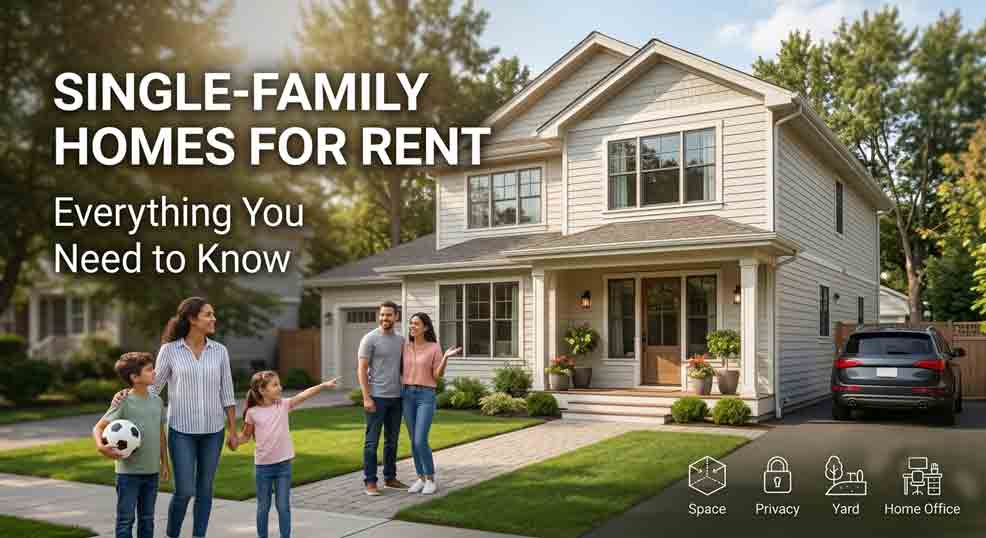
Finding the perfect place to live is one of the biggest decisions anyone can make. While apartments have traditionally been the most common rental option, single-family homes for rent have become increasingly popular among families, professionals, retirees, and even young couples looking for more space and privacy. Renting a house offers many of the benefits of homeownership without requiring a long-term financial commitment or a large down payment.
A single-family rental home provides a unique lifestyle that many renters find attractive. Instead of sharing walls with neighbors or relying on shared parking and community facilities, tenants enjoy a private living environment with their own yard, driveway, and spacious interior. This makes single-family homes especially appealing for people with children, pets, or those who work from home and need extra rooms.
The rental market has changed dramatically in recent years. Property management companies, institutional investors, and individual homeowners now offer thousands of single-family homes for rent across cities, suburbs, and rural communities. Whether you’re searching for a cozy two-bedroom house or a luxury five-bedroom property, understanding how the market works can help you make a smart decision.
This comprehensive guide explains everything you need to know before renting a single-family home, from understanding the benefits and challenges to budgeting, choosing the right neighborhood, and avoiding common mistakes.
Understanding Single-Family Rental Homes
What Is a Single-Family Home?
A single-family home is a detached residential property designed for one household. Unlike apartments, duplexes, or condominiums, it stands independently on its own lot and does not share walls with neighboring homes.
These homes typically include:
-
- Multiple bedrooms
-
- One or more bathrooms
-
- A full kitchen
-
- Living and dining areas
-
- Private backyard
-
- Garage or driveway
-
- Laundry facilities
Many rental houses also include additional features such as finished basements, home offices, fireplaces, patios, swimming pools, and large gardens.
Renting a single-family home allows tenants to experience many advantages of owning a home without taking on responsibilities like obtaining a mortgage or paying property taxes. Although landlords remain responsible for major structural repairs in most cases, tenants often enjoy a greater sense of independence than in apartment living.
Because these homes vary greatly in size, location, and design, renters can choose properties that closely match their lifestyle and future plans.
How It Differs from Apartments and Townhomes
Choosing between an apartment, townhouse, and single-family home depends on your lifestyle, budget, and personal preferences.
| Feature | Single-Family Home | Apartment | Townhome |
|---|---|---|---|
| Privacy | Excellent | Limited | Moderate |
| Yard | Usually Private | Rare | Small |
| Parking | Private Garage/Driveway | Shared | Usually Private |
| Noise | Very Low | Higher | Moderate |
| Space | Large | Small to Medium | Medium |
| Pet-Friendly | Often Yes | Depends | Usually |
One of the biggest advantages of a single-family home is the level of privacy it offers. There are no upstairs or downstairs neighbors, making it easier to enjoy quiet evenings or host family gatherings. The additional living space also allows renters to create home offices, fitness rooms, or children’s play areas without feeling crowded.
Apartments generally offer lower monthly rent and fewer maintenance responsibilities, while townhomes provide a middle ground between apartments and detached houses. Understanding these differences helps renters identify which housing option best matches their financial situation and daily lifestyle.
Why Single-Family Homes Are Growing in Popularity
Benefits for Families
Families often prioritize safety, comfort, and space when choosing a place to live. Single-family rental homes meet these needs by offering multiple bedrooms, spacious kitchens, private yards, and access to suburban neighborhoods with parks and schools.
Parents appreciate having outdoor areas where children can safely play. Many homes are located in residential communities with lower traffic, making them ideal for raising young children.
Another significant benefit is storage. Families accumulate furniture, toys, sports equipment, and seasonal decorations over time. Single-family homes usually provide garages, closets, attics, or basements that make organization much easier.
Hosting birthday parties, holiday gatherings, and family dinners is also more convenient when living in a detached home. Instead of worrying about disturbing neighbors, renters can comfortably entertain guests in larger living spaces.
Benefits for Remote Workers
The rise of remote work has dramatically changed housing preferences. Many professionals now need dedicated office space, reliable internet access, and quiet environments for video meetings.
Single-family homes provide these advantages by offering extra bedrooms that can easily become home offices. A private workspace improves productivity while maintaining separation between work and personal life.
Outdoor spaces also contribute to better work-life balance. Taking breaks in a backyard or on a patio helps reduce stress and improve mental well-being.
For professionals who frequently travel or host clients, private driveways and garages add convenience while providing secure parking for vehicles.
Key Features of Single-Family Rental Homes
Space and Privacy
One of the primary reasons renters choose a single-family home is the amount of space it offers. Unlike apartments, where living areas are often compact, detached homes typically provide multiple bedrooms, larger kitchens, spacious living rooms, dedicated dining areas, and additional storage. This extra room allows families to grow comfortably, professionals to create productive home offices, and hobbyists to enjoy dedicated spaces for their interests.
Privacy is another major advantage. Since single-family homes do not share walls, ceilings, or floors with neighboring units, renters generally experience significantly less noise. Whether you’re enjoying a quiet evening, hosting friends, or working remotely, a detached home creates a peaceful environment that is difficult to find in many apartment complexes.
Many homes also include fenced backyards, giving children and pets a safe place to play while providing adults with outdoor areas for relaxation, gardening, or entertaining guests. This level of independence contributes to a higher quality of life and often makes renting a house feel similar to homeownership.
Outdoor Areas and Parking
Outdoor living has become increasingly important for many renters. Single-family rental homes often include private yards, patios, decks, or gardens that allow residents to spend more time outside. Families can enjoy weekend barbecues, children have room to play, and pet owners appreciate having secure outdoor spaces without relying on public parks.
Parking is another area where single-family homes excel. Many properties feature:
-
- Private garages
-
- Covered parking
-
- Long driveways
-
- Additional guest parking
These features not only add convenience but also improve vehicle security and reduce the daily stress of searching for parking spaces.
Some rental homes even include additional amenities such as:
-
- Swimming pools
-
- Finished basements
-
- Walk-in closets
-
- Fireplaces
-
- Smart home technology
-
- Energy-efficient appliances
-
- Solar panels
-
- Outdoor kitchens
Although not every property offers these features, they have become increasingly common in newer rental developments and professionally managed communities.
Pros and Cons of Renting a Single-Family Home
Advantages
Renting a single-family home offers numerous benefits that appeal to a wide range of tenants.
Greater Living Space
Compared to apartments, detached homes generally provide more square footage. Larger kitchens, multiple bathrooms, and additional bedrooms improve everyday comfort.
Privacy
No shared walls mean fewer disturbances from neighbors, making the home quieter and more relaxing.
Pet-Friendly Environment
Many landlords welcome pets, particularly when properties include fenced yards. Dogs have room to exercise, and owners enjoy greater flexibility.
Family-Friendly Layout
Separate bedrooms, larger living areas, and outdoor spaces create an ideal environment for growing families.
More Storage
Garages, basements, sheds, and spacious closets help keep the home organized.
Residential Neighborhoods
Single-family homes are commonly located in suburban communities with parks, schools, walking trails, and family-oriented amenities.
Flexibility Without Ownership
Renters enjoy many benefits of homeownership without committing to a long-term mortgage or paying property taxes.
Disadvantages
Despite the many advantages, renting a detached house also comes with certain challenges.
Monthly rent is often higher than apartment rent, particularly in desirable neighborhoods. Utility costs may also increase because larger homes require more heating, cooling, and electricity.
Some landlords expect tenants to maintain lawns, gardens, or snow removal, adding additional responsibilities.
Maintenance response times may vary if the property is owned by an individual landlord instead of a professional management company.
Finally, detached homes can require larger security deposits, making the initial move-in costs more expensive than apartment rentals.
Understanding these trade-offs helps renters determine whether a single-family home truly matches their financial goals and lifestyle.
How to Find the Best Rental Home
Online Search Tips
Today’s renters have access to thousands of listings through online rental websites. However, not every listing represents a quality property. Conducting careful research before scheduling a viewing can save both time and money.
When searching online:
-
- Set a realistic budget.
-
- Filter by bedrooms, bathrooms, and property type.
-
- Review high-quality photos carefully.
-
- Read tenant reviews when available.
-
- Compare rental prices within the neighborhood.
-
- Check school ratings if you have children.
-
- Confirm pet policies before applying.
-
- Research crime statistics and nearby amenities.
Creating a checklist before beginning your search helps narrow your options and keeps you focused on homes that truly meet your needs.
Questions to Ask Before Signing a Lease
Before committing to any rental property, ask the landlord or property manager important questions such as:
-
- Which utilities are included?
-
- Who handles lawn care?
-
- What maintenance responsibilities belong to the tenant?
-
- Are pets allowed?
-
- What is the lease duration?
-
- How much is the security deposit?
-
- Are there any additional monthly fees?
-
- Is renter’s insurance required?
-
- What happens if repairs are needed?
-
- Can the lease be renewed?
Asking these questions early helps avoid misunderstandings after moving in.
Rental Costs and Budget Planning
Rent is only one part of the total cost of living in a single-family home.
Additional expenses often include:
| Expense | Typical Cost |
|---|---|
| Security Deposit | 1–2 Months’ Rent |
| Utilities | Varies by Size |
| Internet | Monthly |
| Lawn Maintenance | Sometimes Tenant Responsibility |
| Renter’s Insurance | Monthly |
| Pet Fees | If Applicable |
Creating a realistic monthly budget before signing the lease helps prevent financial stress. Many financial experts recommend spending no more than 30% of your monthly income on housing, although this percentage may vary depending on your location and overall financial situation.
Planning ahead also means setting aside money for moving expenses, furniture, utility deposits, and emergency savings.
Ways to Save Money While Renting
Renting a larger home doesn’t necessarily mean overspending. Smart renters use several strategies to reduce housing costs.
Consider renting during seasons when demand is lower. Compare multiple neighborhoods instead of focusing on only one area. Negotiate lease terms when possible, especially for longer lease agreements.
Improving your credit score before applying may also help secure better rental opportunities. Landlords often view financially responsible applicants more favorably.
If appropriate, sharing a larger home with family members or trusted roommates can significantly reduce monthly housing expenses while allowing everyone to enjoy additional living space.
Tips for First-Time Renters
Renting your first single-family home is an exciting milestone, but it requires careful planning and informed decision-making. Many first-time renters focus only on the monthly rent, overlooking important factors such as maintenance responsibilities, lease terms, neighborhood quality, and long-term affordability. Taking the time to research these aspects before signing a lease can save you from costly mistakes and ensure a smoother rental experience.
Start by creating a realistic budget that includes rent, utilities, internet, renter’s insurance, transportation, groceries, and emergency savings. Having a financial cushion helps you handle unexpected expenses without stress. It’s also wise to check your credit report before applying, as many landlords use credit history to evaluate potential tenants. A strong credit score and a stable income can improve your chances of securing your preferred property.
Never rent a home based solely on online photos. Schedule an in-person tour whenever possible and carefully inspect the property. Test light switches, faucets, heating and cooling systems, appliances, windows, locks, and smoke detectors. Look for signs of water damage, mold, pest infestations, or structural issues. Ask the landlord about the age of major systems like the roof, HVAC, and water heater, as these can affect your comfort during the lease.
Communication is equally important. Read every section of the lease agreement before signing and don’t hesitate to ask questions if something is unclear. A reputable landlord will gladly explain the terms and ensure you understand your rights and responsibilities.
Understanding the Lease Agreement
A lease agreement is a legally binding contract that outlines the relationship between the landlord and tenant. Understanding its contents is essential before committing to a rental property.
Most lease agreements include:
| Lease Section | Description |
|---|---|
| Monthly Rent | Amount due each month |
| Lease Term | Start and end dates |
| Security Deposit | Refundable deposit conditions |
| Maintenance Responsibilities | Landlord and tenant obligations |
| Pet Policy | Rules regarding pets |
| Utility Responsibilities | Who pays for utilities |
| Late Payment Fees | Charges for overdue rent |
| Renewal Terms | Lease extension options |
| Termination Clause | Rules for ending the lease early |
Pay close attention to maintenance responsibilities. Some landlords handle lawn care, snow removal, and landscaping, while others expect tenants to manage these tasks. Understanding these expectations before moving in prevents misunderstandings later.
Keep a signed copy of your lease and document the condition of the property with photos during move-in. This documentation can help resolve disputes regarding security deposits when you eventually move out.
Common Mistakes to Avoid
Even experienced renters occasionally make mistakes, but first-time renters are especially vulnerable. Avoiding these common errors can make your rental experience much more enjoyable.
One of the biggest mistakes is rushing into a lease because a property appears attractive. Instead, compare multiple homes before making a decision. This gives you a better understanding of local rental prices and available amenities.
Another common mistake is failing to research the neighborhood. Visit the area at different times of the day to observe traffic, noise levels, parking availability, and overall safety. Check nearby schools, grocery stores, hospitals, public transportation, and recreational facilities if they are important to your lifestyle.
Many renters also underestimate moving costs. Expenses such as moving trucks, furniture, utility deposits, cleaning supplies, and home essentials can add up quickly. Planning for these costs in advance helps avoid financial surprises.
Finally, always maintain open communication with your landlord. Reporting maintenance issues promptly can prevent small problems from becoming expensive repairs and demonstrates that you are a responsible tenant.
Is a Single-Family Home Right for You?
The decision to rent a single-family home depends on your personal needs, financial situation, and long-term goals. If you value privacy, additional living space, outdoor areas, and the flexibility of renting without the commitment of homeownership, a detached house may be an excellent choice.
Families often appreciate the extra bedrooms, larger kitchens, and private yards that make everyday life more comfortable. Remote workers benefit from dedicated office spaces and quieter surroundings, while pet owners enjoy having secure outdoor areas where their animals can exercise freely.
However, it’s important to weigh these benefits against higher rental costs and potential maintenance responsibilities. Carefully evaluating your budget and lifestyle will help determine whether a single-family rental home is the best fit for your current circumstances.
Conclusion
Single-family homes for rent offer a unique combination of comfort, privacy, and flexibility that appeals to a wide variety of renters. They provide many of the advantages associated with homeownership—such as spacious interiors, private outdoor areas, and dedicated parking—without the financial commitment of purchasing a property.
By understanding the rental process, carefully reviewing lease agreements, budgeting for all associated expenses, and thoroughly researching neighborhoods, you can confidently choose a home that supports your lifestyle and future goals. Whether you’re relocating for work, starting a family, or simply looking for more space, a single-family rental home can provide the comfort and independence you need while keeping your options open for the future.
Frequently Asked Questions (FAQs)
What is a single-family home?
A single-family home is a detached residential property designed for one household. It does not share walls with neighboring homes and usually includes private outdoor space and parking.
Is renting a single-family home more expensive than renting an apartment?
In many locations, yes. Monthly rent and utility costs are often higher, but renters also receive more space, privacy, and additional amenities.
Can I have pets in a single-family rental home?
Many landlords allow pets, especially in homes with fenced yards. Always review the lease agreement and ask about pet deposits, monthly pet fees, and breed restrictions before signing.
Who is responsible for maintenance?
Maintenance responsibilities vary by lease. Landlords generally handle major structural repairs, while tenants may be responsible for lawn care, minor upkeep, or snow removal.
What should I inspect before moving into a rental home?
Inspect appliances, plumbing, electrical outlets, locks, windows, heating and cooling systems, smoke detectors, and the overall condition of the property. Take photos during move-in to document any existing damage
