
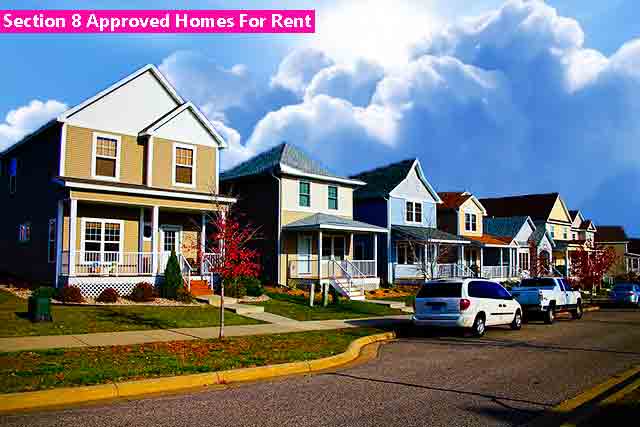
Find the Best Monthly House Rentals in the United States: Your Complete Guide
Finding the right place to live—especially when you’re not ready for a long-term commitment—can be tricky. Whether you’re in between moves, exploring a new city, or working remotely, monthly house rentals in the United States offer flexibility, convenience, and comfort. The beauty of these rentals is that they allow you to live like a local without the hassle of signing year-long leases or dealing with high hotel bills.
In this guide, we’ll take you through everything you need to know about monthly house rentals—from where to look and what to expect, to how to negotiate your rent and avoid scams. If you’re ready to find your next temporary home sweet home, keep reading—you’re about to become a rental pro.
Why Monthly House Rentals Are the Smart Choice
Monthly house rentals have become a rising trend across the U.S. for a reason. In today’s world, flexibility is everything. People move for work, school, or lifestyle reasons more often than ever. Monthly rentals give you that freedom—no strings attached.
Imagine being able to live in a fully furnished home, complete with kitchen appliances, Wi-Fi, and cozy décor—all without the responsibility of long-term maintenance. That’s what monthly rentals offer. They’re perfect for those who value convenience and adaptability.
Plus, with platforms like Airbnb, Zillow, Furnished Finder, and Vrbo offering monthly stay options, finding a home that fits your exact needs and budget has never been easier. You can choose everything—from the type of house and neighborhood to amenities like a backyard, pool, or home office setup.
These rentals also appeal to people who prefer a more authentic experience than a hotel stay. You get to live in residential neighborhoods, cook your own meals, and experience the city like a local. And for digital nomads or those who work remotely, that’s a huge plus.
Benefits of Choosing Monthly Rentals Over Long-Term Lease
So why are so many renters switching from traditional leases to monthly rentals? The benefits speak for themselves.
First, no long-term commitment. You’re not tied to a 12-month lease, so if you need to move cities or change your living situation, you can do so easily.
Second, furnished convenience. Most monthly rentals come fully equipped—from furniture and kitchen utensils to towels and bed linens. This saves you from the hassle and expense of buying or moving heavy furniture.
Third, utility inclusion. Many monthly rental agreements include utilities such as electricity, water, internet, and even cable TV in the rent. That simplifies your budgeting—you know exactly what you’ll pay each month.
Fourth, ideal for transitions. Whether you’re relocating for a job, waiting for your home renovation to finish, or testing out a new city before committing long-term, monthly rentals bridge the gap perfectly.
Finally, tax advantages for business travelers. For professionals who travel often, monthly rentals may qualify for certain deductions—especially if the stay is work-related.
Simply put, monthly rentals offer a blend of comfort, freedom, and practicality that standard leases can’t match.
Who Should Consider Monthly House Rentals?
Monthly house rentals are not just for one specific type of renter—they cater to a wide variety of people with different lifestyles and needs.
Remote Workers and Digital Nomads
The rise of remote work has changed the way people live. Digital nomads can now work from anywhere, which means living in a new city every few months is entirely possible. Monthly rentals give them the flexibility to move without worrying about breaking leases.
Students and Interns
College students and interns often need housing for just a semester or a summer. Monthly rentals are a perfect fit since they’re temporary, affordable, and usually come fully furnished.
Traveling Professionals
Medical professionals, consultants, and contractors frequently travel for work. Instead of staying in hotels, many prefer monthly homes that provide a sense of normalcy and privacy.
Families Relocating or Renovating
Families in transition—whether moving to a new city or remodeling their existing home—find monthly rentals to be a lifesaver. They can stay close to their jobs or kids’ schools without the stress of rushing a permanent housing decision.
In short, monthly rentals are for anyone who values flexibility and comfort while keeping control over their living situation.
Top Cities in the U.S. for Monthly House Rentals
Certain cities in the United States are particularly popular for monthly rentals because of their vibrant job markets, cultural attractions, and quality of life. Let’s explore the best ones.
New York City
New York is a magnet for business travelers, artists, and dreamers. While long-term leases can be pricey, monthly rentals in neighborhoods like Brooklyn, Queens, or the Upper West Side give you a chance to live in the city without a permanent commitment.
Los Angeles
LA attracts remote workers and entertainment professionals alike. From beachside bungalows in Santa Monica to chic downtown lofts, there’s a wide range of monthly rental homes catering to all budgets.
Austin
The tech boom has made Austin one of the most sought-after cities for digital nomads and young professionals. Monthly rentals here often include modern furnishings, co-working spaces, and pet-friendly options.
Miami
Sun, sand, and style—Miami is perfect for anyone looking to mix business with pleasure. Monthly rentals here often feature ocean views, private pools, and proximity to nightlife hotspots.
Chicago
Known for its architectural beauty and business opportunities, Chicago offers plenty of stylish apartments and family homes available for monthly rent in neighborhoods like Lincoln Park and Wicker Park.
Seattle
Techies and creatives love Seattle’s vibrant lifestyle. Monthly rentals here come with great amenities—think city views, coffee shops around every corner, and easy access to outdoor adventures.
Each of these cities offers something unique, but all share one thing: a strong demand for monthly house rentals.
Average Cost of Monthly House Rentals Across the U.S.
The cost of monthly house rentals in the United States can vary dramatically depending on where you are, the time of year, and the type of home you choose. While the national average for a furnished one-bedroom monthly rental hovers around $2,000–$3,000 per month, major metropolitan areas tend to be significantly higher.
For example, in New York City, you could pay anywhere from $3,500 to $6,000 per month for a modern apartment in Manhattan, while outer boroughs like Queens or the Bronx may offer more affordable options between $2,000 and $3,000. Meanwhile, in Los Angeles, expect to spend between $2,800 and $4,500, depending on the neighborhood and amenities.
Cities like Austin, Denver, and Nashville offer more budget-friendly alternatives, with monthly rentals often ranging from $1,800 to $2,800 for fully furnished homes or apartments. On the other hand, Miami and San Francisco are on the pricier end, where luxury monthly rentals can easily exceed $5,000 per month.
Here’s a quick breakdown:
| City | Average Monthly Rent (1BR) | Average Monthly Rent (3BR) |
|---|---|---|
| New York City | $3,800 | $6,500 |
| Los Angeles | $3,200 | $5,200 |
| Austin | $2,200 | $3,800 |
| Miami | $3,500 | $5,800 |
| Chicago | $2,400 | $4,200 |
| Seattle | $2,700 | $4,500 |
These prices include utilities and furnishings in many cases, which makes monthly rentals a fair deal compared to traditional leases that often require deposits, utility setups, and maintenance costs.
Factors That Affect Rental Prices
When you’re searching for monthly house rentals, understanding what influences pricing can help you make smarter choices—and possibly save some money.
1. Location
This one’s a no-brainer. Properties in downtown areas or close to major attractions usually cost more than those in suburban or rural areas. For instance, living in Manhattan or downtown LA will always be pricier than staying in the outskirts.
2. Season and Demand
Just like hotels, rental prices fluctuate depending on the season. In tourist-heavy destinations like Miami or San Diego, prices soar during peak travel seasons (winter and summer). Booking during off-peak months can save you up to 30%.
3. Amenities and Furnishings
Homes with luxury features like pools, gyms, parking spaces, or scenic views tend to command higher rent. Similarly, fully furnished rentals cost more than unfurnished ones—but they save you the hassle of moving furniture.
4. Lease Duration
Some landlords offer discounts for longer stays. For example, if you commit to three or six months instead of one, you might score a lower monthly rate.
5. Neighborhood and Safety
Safety, nearby amenities, and school districts all affect rental prices. People are willing to pay more for peaceful, walkable, and secure neighborhoods.
Understanding these factors allows you to find a rental that meets both your needs and budget without unnecessary surprises.
How to Find the Perfect Monthly Rental Home
Searching for a rental can be overwhelming—but with the right strategy, it becomes a breeze. Here’s how to simplify your search:
1. Use Trusted Online Platforms
Start with reputable websites like:
- Zillow
- Apartments.com
- Furnished Finder
- Airbnb (Monthly Stay filter)
- Vrbo
- Blueground
These sites let you filter results by price, amenities, neighborhood, and even cancellation flexibility.
2. Work with Local Realtors
Local real estate agents can be your best allies. They know the market inside out and can help you negotiate fair deals or find hidden gems that aren’t listed online.
3. Join Social Media Groups
Facebook and Reddit have active rental communities where locals post short-term listings. Always verify the property before paying anything, though—scammers love targeting these platforms.
4. Consider Corporate Housing Providers
If you’re a professional relocating temporarily, corporate housing companies like Sonder or Stay Sojo offer comfortable, move-in-ready homes designed for monthly stays.
5. Don’t Rush
Take time to compare listings. Read reviews, ask questions, and if possible, schedule virtual tours. A little patience can save you from making an expensive mistake.
What to Look for in a Monthly Rental Agreement
Before signing any contract, take time to read and understand the fine print. Monthly rentals are flexible, but they still come with terms that protect both you and the landlord.
1. Lease Duration and Renewal Terms
Check how long you’re allowed to stay and what happens if you decide to extend or leave early. Some landlords offer automatic renewal, while others may increase rent after the initial term.
2. Security Deposit and Fees
Many rentals require a refundable security deposit, usually equal to one month’s rent. Make sure the contract states the refund conditions clearly.
3. Utilities and Maintenance
Clarify which utilities are included—electricity, gas, water, internet, etc.—and who handles maintenance issues. You don’t want unexpected costs sneaking up on you.
4. House Rules
Are pets allowed? Can you host guests? Understanding these details ahead of time avoids awkward situations later.
5. Cancellation and Refund Policy
Some monthly rentals offer flexible cancellation, while others don’t. Always know your options in case plans change unexpectedly.
A solid rental agreement gives you peace of mind and ensures transparency between you and your landlord.
Fully Furnished vs. Unfurnished Rentals
When hunting for monthly house rentals, you’ll notice two main types—furnished and unfurnished. Each has pros and cons, depending on your situation.
Fully Furnished Rentals
These come ready to live in—complete with furniture, kitchenware, linens, and appliances. They’re perfect for short stays or those who don’t want to deal with moving costs. You can move in with just your suitcase.
Pros:
- Move-in ready
- Utilities often included
- Great for temporary assignments or relocations
Cons:
- Higher monthly cost
- Limited customization
- Potential for wear-and-tear charges
Unfurnished Rentals
If you’re planning to stay longer or already own furniture, an unfurnished rental might make more sense. It’s cheaper and offers more flexibility for decorating.
Pros:
- Lower rent
- Freedom to personalize the space
Cons:
- Requires more setup
- May involve additional moving expenses
Your choice ultimately depends on how long you plan to stay and how much convenience matters to you.
Amenities to Look for in Monthly House Rentals
Amenities can make or break your rental experience. When comparing properties, it’s easy to get caught up in price and location—but the right features can dramatically improve your comfort and convenience during your stay.
Start with the essentials. A reliable Wi-Fi connection is non-negotiable, especially if you work remotely or stream content. Check if the property offers air conditioning and heating, as climate control is vital in places like Texas or the Northeast during extreme weather.
Next, look for in-unit laundry. While it may seem like a small thing, not having to go to a laundromat saves both time and hassle. Parking space is another major plus, particularly in big cities like Los Angeles or New York, where street parking is notoriously difficult.
If you value comfort, fully equipped kitchens are a game-changer. Cooking at home helps you save money and eat healthier. A dishwasher, coffee maker, and microwave are small luxuries that make everyday life easier.
For those who prioritize fitness and leisure, check if the rental offers on-site gym access, a pool, or proximity to parks and jogging paths. Many apartment complexes also include shared coworking areas, which can be invaluable for remote professionals.
Families, on the other hand, may look for kid-friendly amenities like fenced yards, safe neighborhoods, and nearby schools. Pet owners should ensure that the property is pet-friendly and has nearby walking areas or parks.
Finally, consider security features—things like smart locks, gated entrances, or security cameras can give you peace of mind, especially if you’re new to the area.
The best monthly rentals balance cost with comfort. Prioritize amenities that enhance your daily life rather than those that simply look good in photos.
Tips for Negotiating Monthly Rent
Yes, you can negotiate monthly rent—especially when you know how to approach it. The key is to show that you’re a responsible, low-risk tenant who’s worth a slight discount.
1. Do Your Research
Before making an offer, check comparable listings in the same area. Knowing the average market rate gives you leverage. You can use platforms like Zillow or Rentometer to see what similar homes cost.
2. Offer a Longer Commitment
Even though you’re seeking a monthly rental, many landlords appreciate stability. If you can commit to two or three months upfront, you might secure a lower monthly rate.
3. Pay Upfront or Offer a Higher Deposit
Offering to pay the first two months in advance can demonstrate financial reliability and encourage the owner to negotiate.
4. Highlight Your Strength as a Tenant
Landlords love tenants who take care of properties. Mention your stable job, good credit score, and past rental references—it makes you a safer bet.
5. Be Polite and Professional
Negotiating doesn’t mean lowballing. Approach the conversation respectfully and back your offer with logical reasoning.
6. Leverage Off-Season Timing
During slow rental seasons (typically winter in many U.S. cities), landlords are more open to lowering prices to fill vacancies.
By combining these tactics, you might save anywhere from 5% to 15% on your rent—enough to make a meaningful difference, especially for longer stays.
How to Avoid Rental Scams
The popularity of short-term and monthly rentals has also attracted scammers. Knowing how to spot a fake listing can protect you from losing thousands.
1. Watch for Unrealistic Prices
If a listing looks too good to be true, it probably is. Scammers often post luxury homes at suspiciously low prices to lure victims.
2. Never Send Money Before Seeing the Property
Always request a virtual or in-person tour before making any payment. If a landlord refuses or gives excuses, that’s a major red flag.
3. Use Reputable Platforms
Stick to trusted websites like Zillow, Airbnb, or Furnished Finder. They provide protection mechanisms and verified listings. Avoid random listings on social media or free classifieds.
4. Verify Ownership
Ask for proof of ownership or check the property’s details through public records. Some scammers repost legitimate listings with their own contact info.
5. Secure Payments
Only use official payment portals or escrow services. Never wire money or send payments via gift cards or cryptocurrency.
6. Check Reviews
If you’re renting through platforms like Airbnb or Vrbo, look at guest reviews. Consistent positive feedback adds credibility.
Staying cautious, verifying details, and trusting your instincts will help you steer clear of fraudulent listings.
Legal Considerations for Monthly Rentals
Even short-term rentals come with legal details you should understand.
1. Tenant Rights
Most states grant monthly renters the same basic protections as long-term tenants, including privacy rights and the return of security deposits.
2. Local Regulations
Some cities—like New York or San Francisco—have strict short-term rental laws. Always check local regulations before signing a lease to ensure compliance.
3. Written Agreement
Always insist on a written contract. It protects both parties by clearly outlining the rental duration, costs, and responsibilities.
4. Insurance
Consider renters’ insurance for added protection. It’s affordable and can cover personal belongings or damages.
5. Termination Notice
Both tenant and landlord usually need to give a 30-day notice before ending a month-to-month lease.
Understanding these legal details ensures that you stay protected and informed throughout your stay.
Short-Term Rentals vs. Monthly Rentals: What’s the Difference?
People often confuse short-term rentals with monthly rentals, but there’s a clear distinction between the two.
Short-term rentals—like those found on Airbnb for weekend stays—are designed for vacationers. They’re typically priced per night and come with hotel-style amenities.
Monthly rentals, on the other hand, cater to longer stays and are usually more affordable per day. They function more like traditional leases, often including utilities and furnishings.
Here’s a quick comparison:
| Feature | Short-Term Rental | Monthly Rental |
|---|---|---|
| Duration | A few days to a few weeks | One month or longer |
| Pricing | Charged nightly | Charged monthly |
| Target Audience | Tourists, travelers | Professionals, students, remote workers |
| Furnishing | Fully furnished | Usually furnished |
| Utilities | Usually included | Often included |
| Cost per night | Higher | Lower |
Monthly rentals strike the perfect balance between comfort and flexibility—ideal for anyone who wants more than a vacation but less than a permanent lease.
How to Make a Rental Feel Like Home
Just because it’s temporary doesn’t mean it can’t feel cozy. Here’s how to personalize your space:
- Add Personal Touches – Bring your favorite throw blanket, photos, or small décor items. They instantly make the place feel familiar.
- Set Up a Routine – Whether it’s a morning coffee ritual or evening walk, routines create a sense of belonging.
- Cook Your Own Meals – Filling the space with the smell of home-cooked food adds warmth and comfort.
- Use Scented Candles or Diffusers – Scents are powerful mood lifters and make any space inviting.
- Get to Know Your Neighborhood – Explore local cafés, gyms, or parks. Feeling connected to your surroundings makes your stay more enjoyable.
Even if you’re only staying for a month, these small touches can make your rental feel like your personal sanctuary.
Best Platforms for Finding Monthly Rentals in the U.S.
With so many options online, choosing the right platform can save you hours of searching. Here are some of the best:
- Zillow Rentals – Excellent for both furnished and unfurnished listings.
- Airbnb (Monthly Stay) – Ideal for flexible stays with verified hosts.
- Furnished Finder – Specializes in mid-term housing for professionals.
- Blueground – Offers high-end furnished apartments in major cities.
- Vrbo – Great for family-friendly homes or group stays.
- Apartments.com – Perfect for filtering options by amenities and lease type.
Each platform caters to different needs, so use a combination to find your ideal rental faster.
Conclusion
Monthly house rentals in the United States are more than a housing solution—they’re a lifestyle choice for people who value freedom, comfort, and flexibility. Whether you’re a digital nomad hopping between cities, a family in transition, or a professional on assignment, monthly rentals provide the perfect mix of convenience and affordability.
With the right research, awareness, and a bit of negotiation, you can secure a comfortable home that suits your lifestyle—without long-term obligations. So, dive into the listings, compare wisely, and make your next rental not just a temporary stay, but a memorable experience.
FAQs
The national average ranges from $2,000 to $3,000 per month for a one-bedroom furnished rental, though this varies by city and amenities.
Most monthly rentals are fully furnished, including basic furniture, kitchen supplies, and sometimes utilities.
Yes. Offering longer stays or upfront payments can often help you negotiate a better rate.
In most cases, yes—electricity, water, internet, and gas are included, but always confirm before signing.
Use reputable platforms, verify ownership, and never send money before confirming the property’s legitimacy.
